

Discover the world of via ferratas, equipped routes that allow everyone to experience the thrill of the mountains safely. An unforgettable adventure amidst nature and excitement!
Last summer, a good part of the Verticalife team ventured into mountains far from home, captivating peaks that draw visitors from around the globe. We're talking, of course, about the Dolomites! Rocky spires that can't help but leave anyone who gazes upon them, or even more so those who embark on a climb or via ferrata, utterly breathless. As you can imagine, we made sure to experience both ;).
Now that we're back in the office, we sometimes feel the urge to return, especially during the off-season when there are fewer people and the climate is still perfect for adventures of this kind.
But alas, work keeps us busy, so we turn our attention to closer destinations, for which sometimes even half a day is enough.
Piedmont, and especially the Susa Valley for us from Turin, is brimming with climbing crags and via ferratas! But today's point isn't to list all the suitable locations for this activity; rather, it's to explain why a via ferrata can be an easy and enjoyable first approach to climbing and mountaineering, for everyone!
In general, a via ferrata offers a high level of safety for participants and doesn't require specific technical skills. Precisely for these two reasons, it's an activity you can approach even without extensive mountain experience.
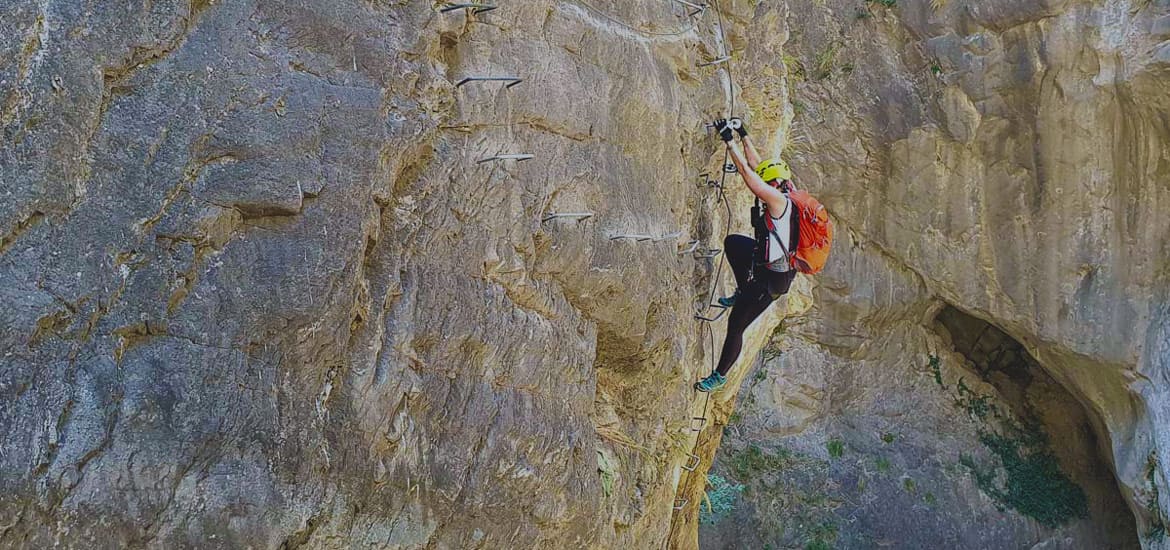
There are a few simple rules to follow. The first concerns clothing and equipment. You must be strictly equipped with appropriate gear, which can be easily rented, and clothing suitable for the weather conditions of the place where you'll undertake your via ferrata.
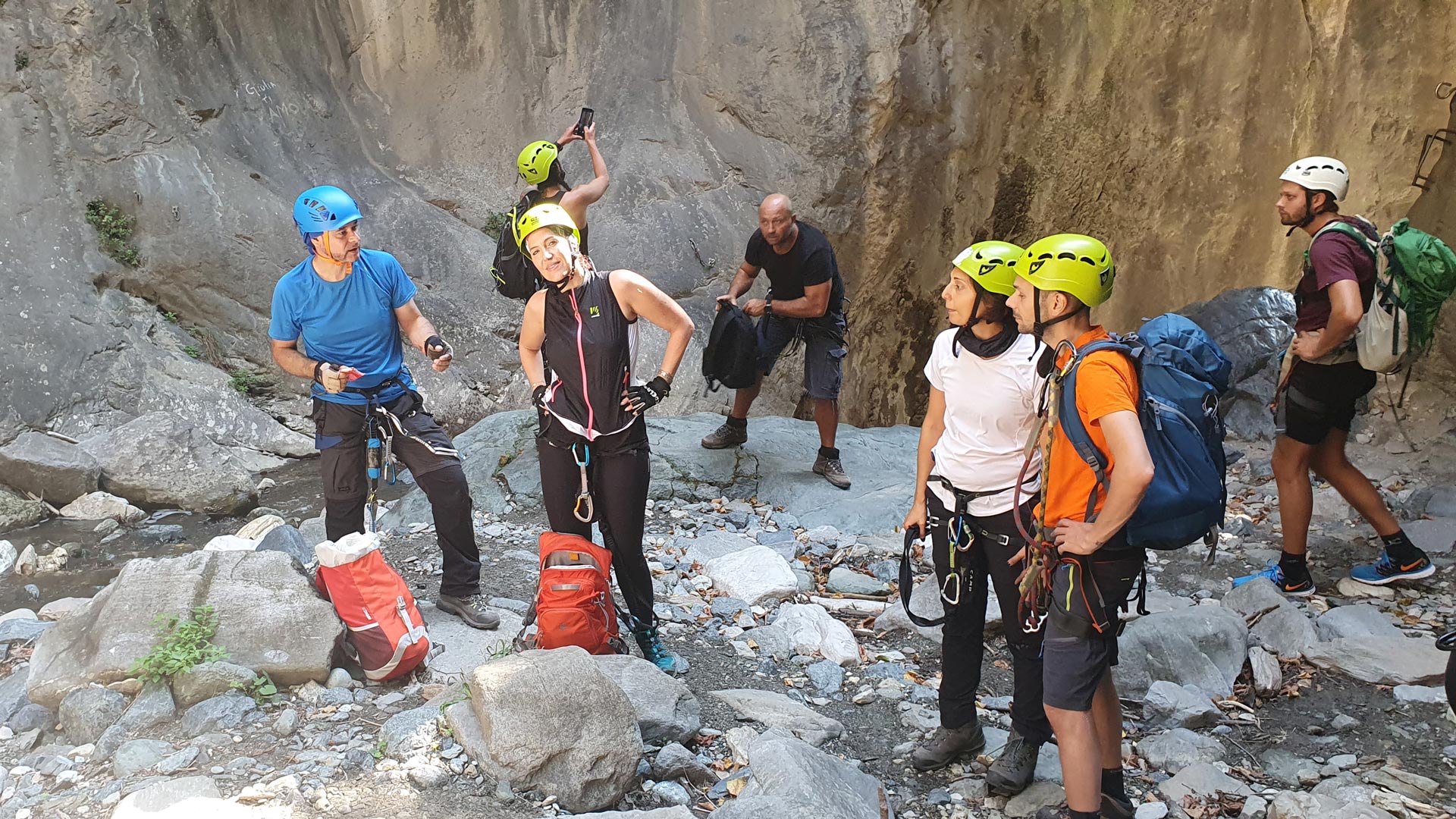
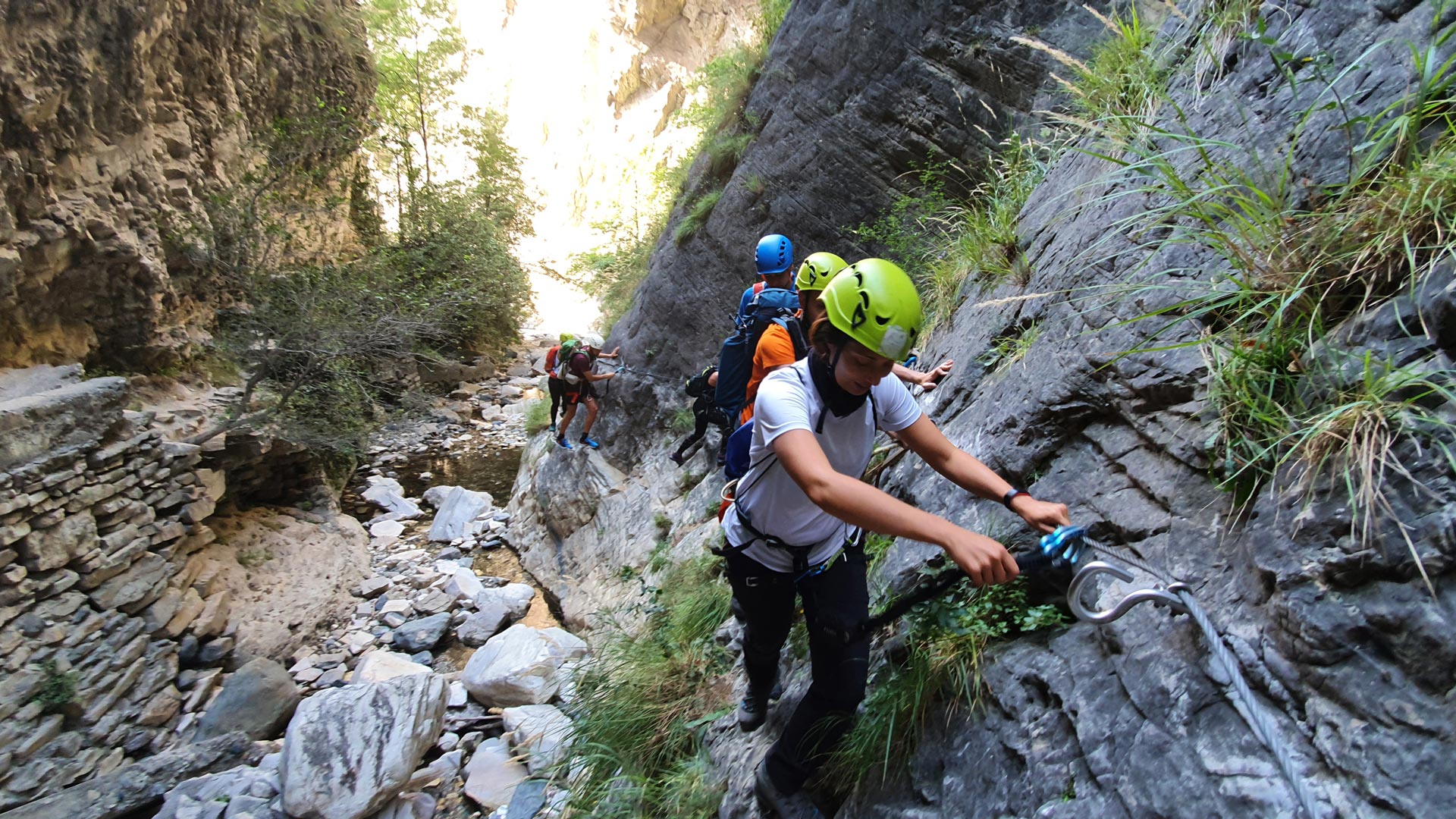
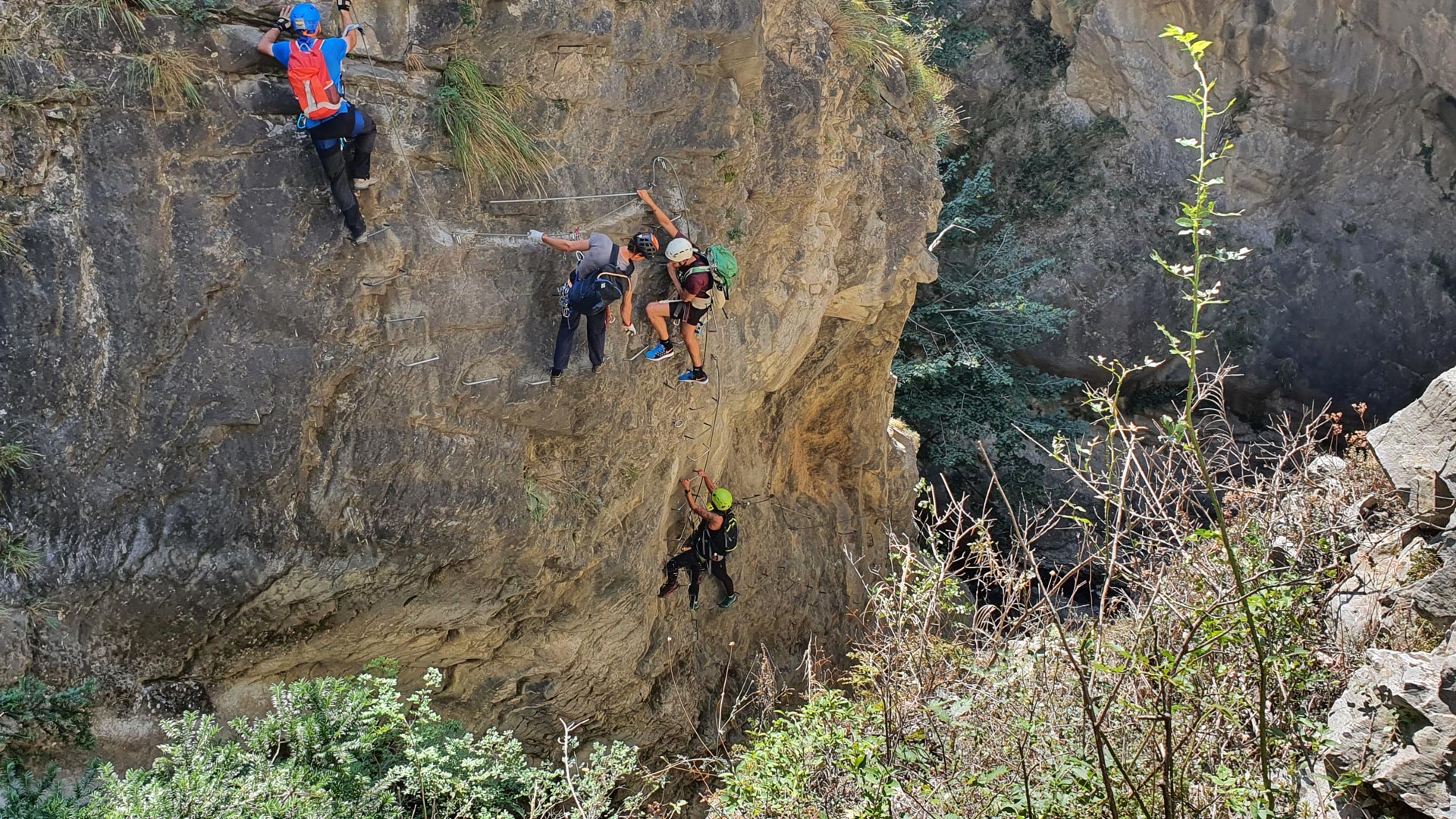
This is still an outdoor activity, where cold and wind can hinder the success of your excursion. So, after dressing in and/or bringing appropriate layered clothing (the "onion strategy"), you absolutely must have the via ferrata kit with you, which includes: a helmet, harness, the Y-shaped lanyards (cables or elastic slings) with two carabiners, and ideally, a shock absorber.
Shoes are also important: it's best to wear trekking or approach shoes, which should be rigid enough to provide good support even on rocky sections, and have a good sole for excellent grip. Last but not least, gloves: not only to protect against the cold, but also to prevent injuries from using the steel cables and other artificial structures. Via ferrata or climbing gloves would be ideal in this case.
The second rule demands... common sense. Progressing on a via ferrata allows you, thanks to the use of the kit, to always be secured to the artificial structures along the route, without needing to be tied into a rope team, as is the case in mountaineering. However, this doesn't mean that every route is feasible for everyone. There are via ferratas of varying difficulty levels and physical demands, so the first advice we give you is to always consult with experienced individuals before attempting a specific route to understand if it's suitable for beginners, or to rely on guides if you've never practiced this activity before.
The rest will be pure fun and exhilaration: for many, a via ferrata represents their first encounter with verticality and the sensation of exposure. Don't be afraid; just remember that you are constantly secured and to make the best use of all the artificial aids the route offers, simplifying your climbing experience.
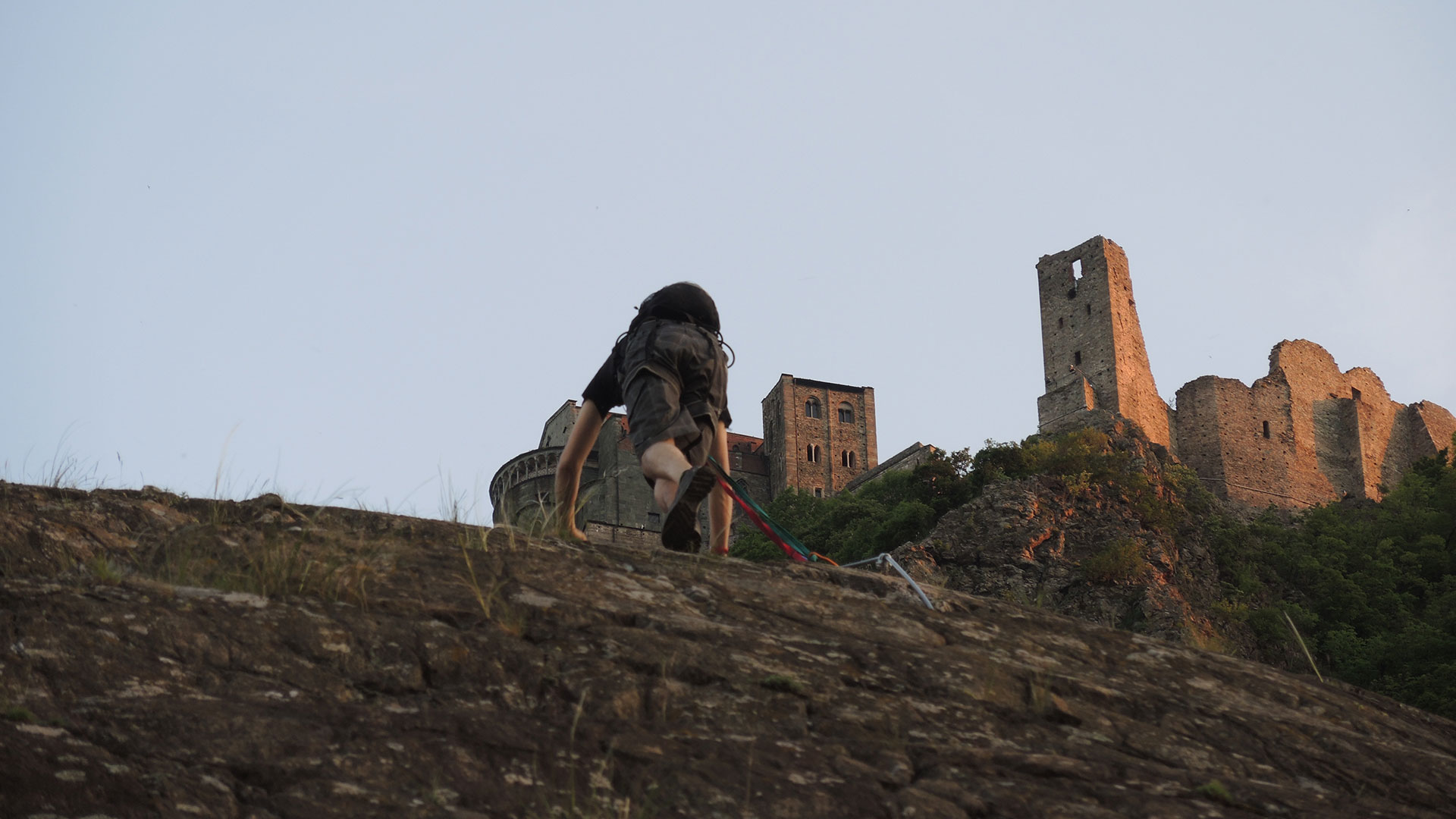
It's getting late now, excuse us, but we have to go climb the Sacra di San Michele!

Travel, excursions, activities, and outdoor experiences in italy and around the world
Via Argentero 6, 10126 Turin
+39 011 089 1022
info@verticalife.it
