

The Ascent of Taste: High Cuisine's Alpine Embrace
Imagine for a moment a dish crafted by a renowned Michelin-starred chef, conjuring up its vibrant ingredients. Now, picture a table with chairs gathered around. Let your senses expand further and tune into the sounds drifting beyond the open restaurant doors. Take a deep breath, and truly listen. This isn't the heart of Milan; no hint of city bustle. Listen again. You won't hear the gentle lapping of ocean waves, so it's certainly not Sorrento.
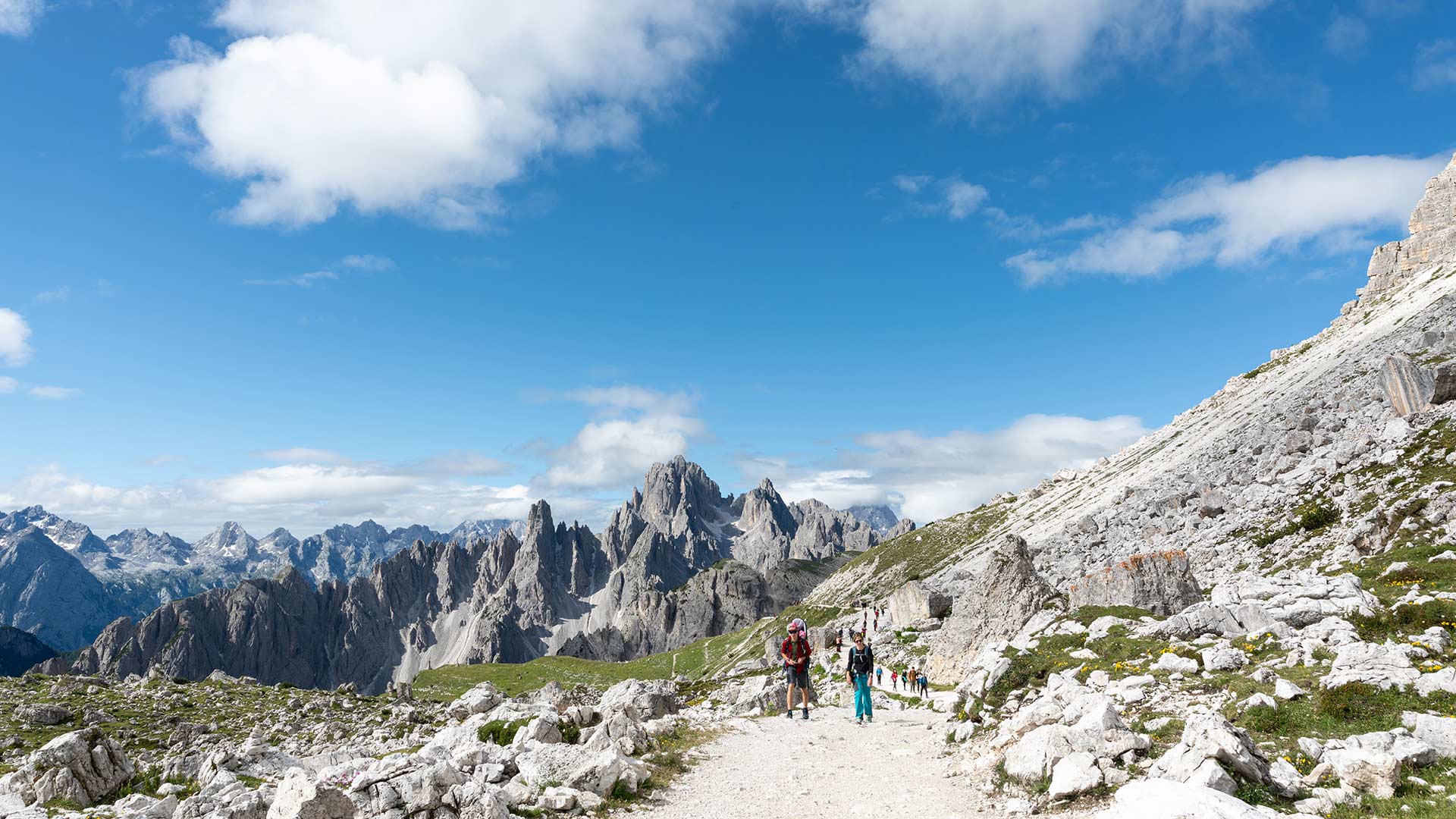
What you should be envisioning is the profound silence that only settles in at a certain mountain altitude—the gentle rustle of an alpine breeze.
And with this shift, your dish's ingredients must transform. Bid farewell to exotic roots, and to those mixed June vegetables or bitter November herbs. Instead, embrace only seasonal ingredients, nurtured by the soil and local farmers. There's simply no place for greenhouses at 1500 meters.
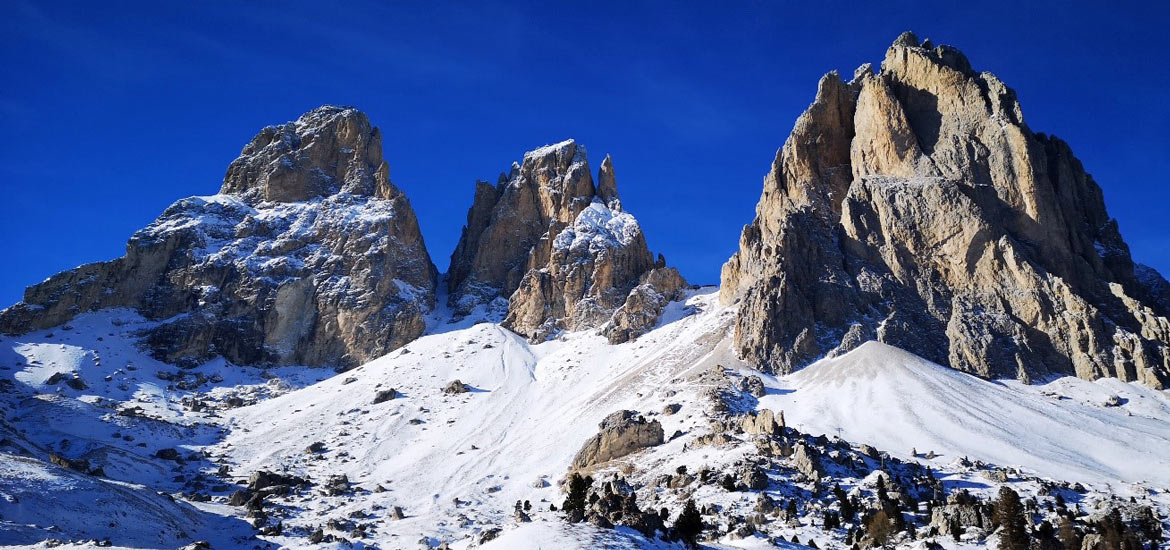
St. Hubertus
Norbert Niederkofler is one of those chefs who has made it an absolute priority to forge a deep connection between the Alta Badia region and haute cuisine. With his St. Hubertus restaurant in San Cassiano, at an altitude of 2000 meters, the chef has embraced a radical vision for gourmet cooking: he has chosen to source raw ingredients exclusively from those who live in the mountains—small local producers, often the sole custodians of traditional farming and cheesemaking knowledge. This reliance on the mountain community breathes life into the territory, preserving it in its original form. Tradition and innovation are advanced without rhetoric, driven also by a desire to include young cooks and pastry chefs in his brigade, passing on to them the best practices of this new culinary approach.
You will rarely find the same menu offered in two different seasons. The chef's commitment to sustainable and seasonal ingredients is absolute: Cook the Mountain is an event, a project, but first and foremost an idea where environment and cuisine become the foundation for true social change. The chef states: “The starting point for this change must be cuisine, understood as a catalyst for cultural processes that promote a sustainable development model. From this perspective, the cook must embrace the role of an 'emotional educator,' capable of fostering a new way of living.”
Guardianship and Conscious Travel
In this sense, cuisine becomes a manifestation of a place's cultural identity. Promoting this idea of food and wine is about promoting pastures, villages, and small local shops. Consciously savoring products grown in the ancient way restores the landscape to its original beauty, and repeating this practice preserves it over time. Those who live in the mountains year-round understand the challenges of winter, making it essential to stockpile provisions and equally crucial to reduce waste and give it new life.
In the kitchen of St. Hubertus, a second dish often follows or accompanies the main course, prepared with all those good parts that weren't used for the primary serving. These are stems, fats, or less prized cuts that are cooked and served with an ethical purpose: to reduce the environmental impact of kitchen waste and to raise awareness about the value of less 'noble' parts.
With the aim of inviting those who wish to experience a menu tasting from Three Michelin Stars without sacrificing the authentic mountain spirit, the chef offers an even more radical, less formal, and simpler, yet utterly captivating, experience.
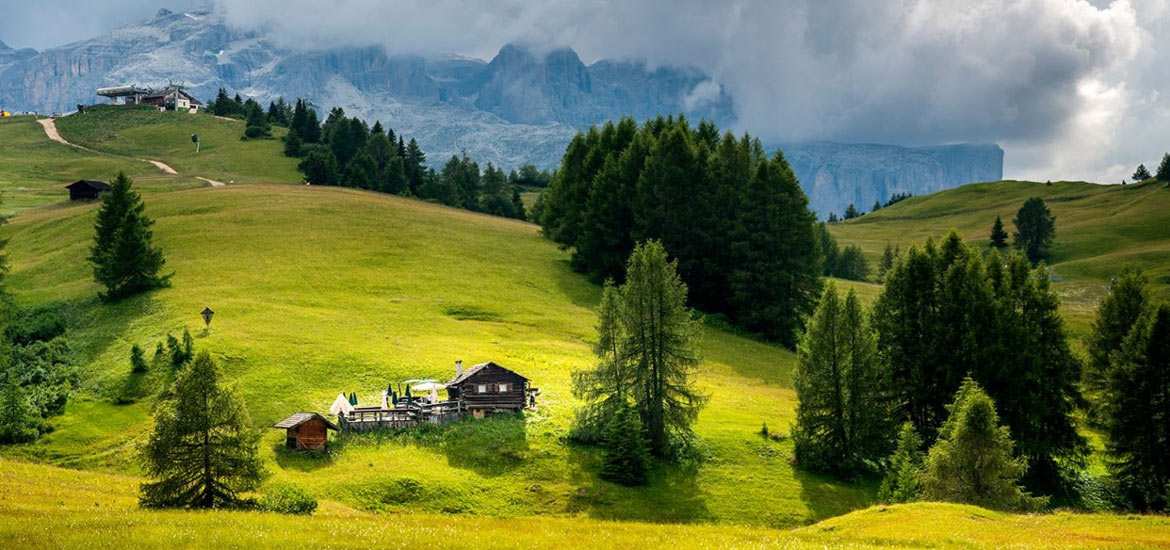
On Sunday mornings, St. Hubertus moves to Piz Sorega, an event they've named Lunch in the Mountain Hut. Guests settle into a wooden hut without electricity—a true mountain refuge—warmed only by a wood-burning stove and offering a limited number of seats, perfect for the company of friends or a large family. Here's how it works: at 8 AM, the chef and guests set off on foot towards the hut, engaging in foraging, collecting wild mushrooms and herbs that will later be prepared by the chef.
Lunch is served in true mountain style: cheeses, cured meats, and hearty warm dishes that taste of the forest and valleys, expertly prepared by Chef Niederkofler himself. All while enjoying the marvelous Dolomite views from the windows of the small wooden house.



Travel, excursions, activities, and outdoor experiences in italy and around the world
Via Argentero 6, 10126 Turin
+39 011 089 1022
info@verticalife.it
