

Discover how to choose the ideal snowshoes for your winter adventures. Practical tips for navigating through models, materials, and features.
Winter is approaching, bringing the first chills, the desire to cozy up in the warmth, and heavy snowfall... But if you think this is the least suitable time to leave the house, you are mistaken! Yes, because for us, it's actually the time that marks the beginning of a mountain of outdoor activities that can be done on the snow. First and foremost, snowshoe hiking.
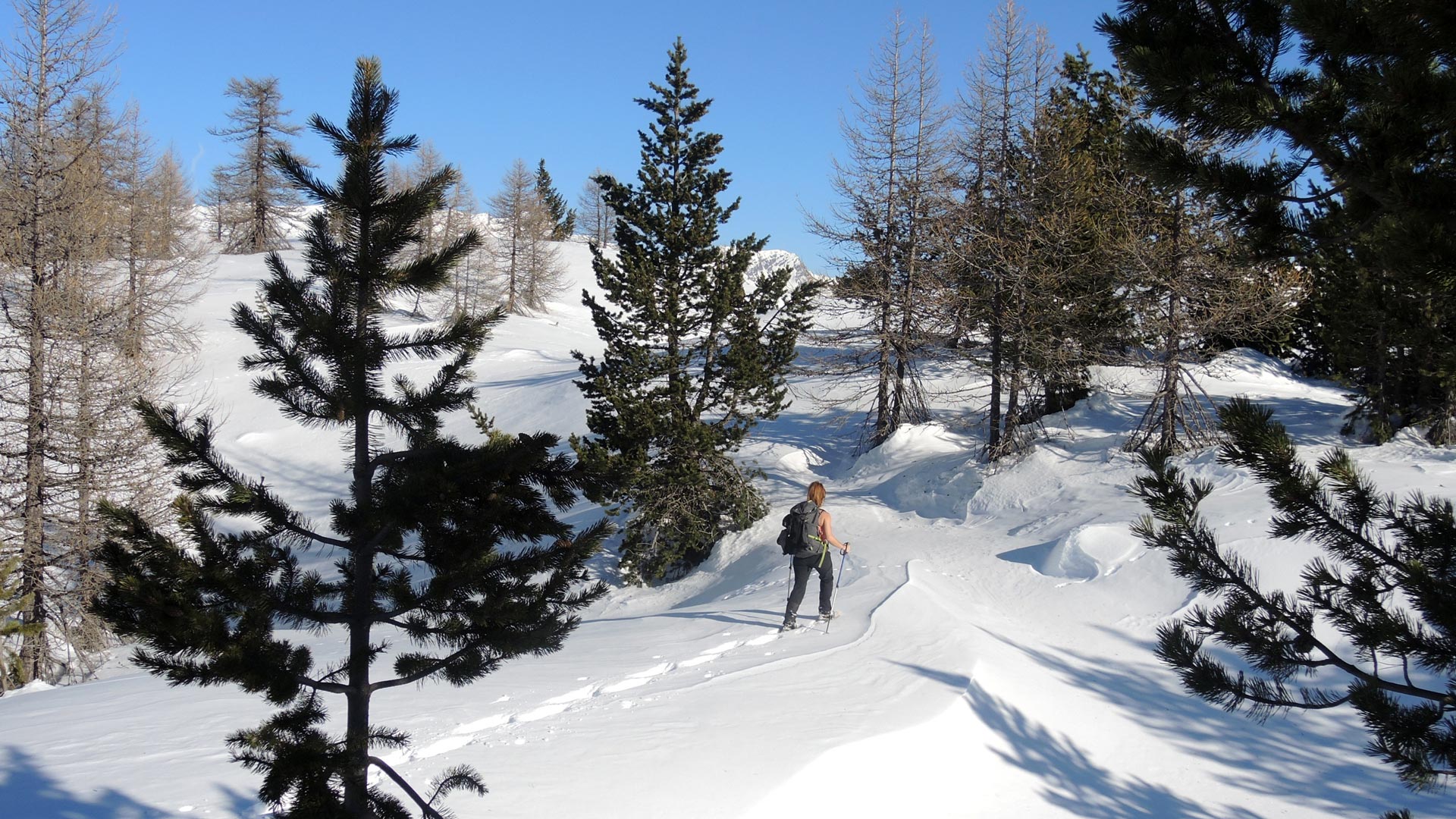
For those who don’t know yet, snowshoes are equipment that, when worn on the feet, allow you to walk on fresh snow. Thanks to their wide surface, they help you "float" on the snowy ground, preventing you from sinking or tiring easily.
This is the easiest and most affordable way to explore and enjoy the mountains in their winter version. It is an activity that does not require exceptional athletic preparation and can be done both alone and with company.
For these reasons, it is a sport accessible to everyone, regardless of age or skill level. But where to start? Choosing the right snowshoes can sometimes be a tricky task, with so many factors, models, and brands to consider. Keep reading this article to avoid making the wrong choice!
What is a Snowshoe Made Of?
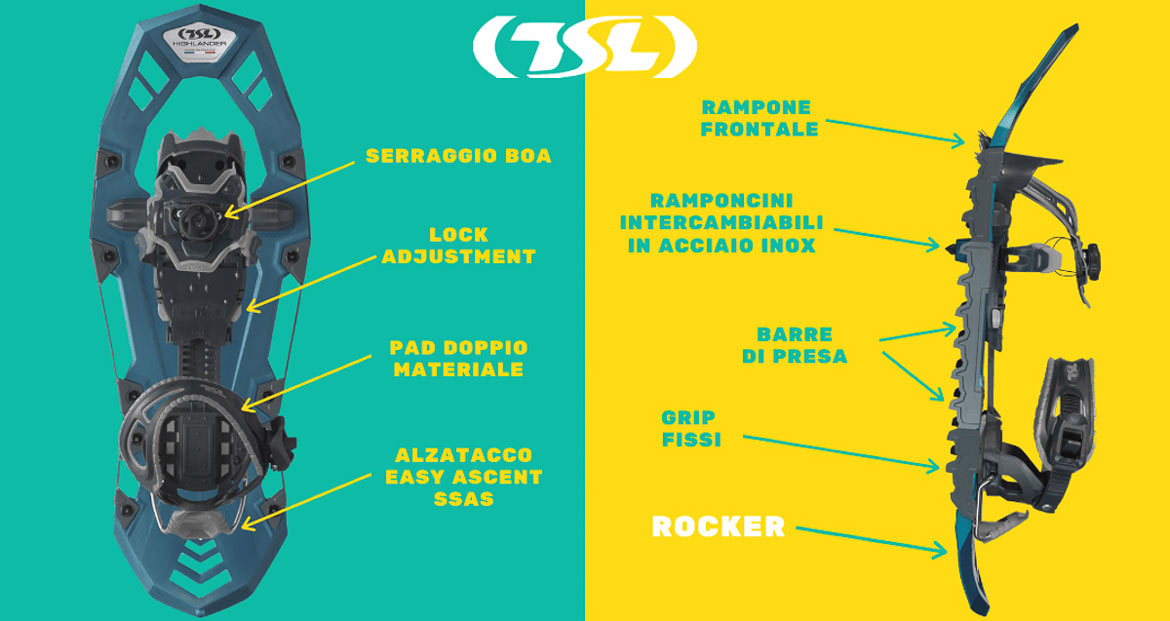
A snowshoe consists of several components:
- The frame: the support surface, which is proportional to the user's weight and prevents sinking into the snow. Therefore, the surface varies depending on your weight: the heavier you are, the larger the surface of the snowshoe needs to be. The material is another important factor: plastic is more economical and manageable, making it ideal for steep slopes, while aluminum is lighter and more durable, mainly used on flat terrains. We typically recommend the first type, which is more suited to the types of hikes on our Alps.
- The profile: the shape of the snowshoe.
There are two main types: elongated snowshoes and short snowshoes. The former has a larger surface area, offering better floatation. They should be used in deep snow and on flat terrain. On the other hand, short snowshoes are more manageable on steep terrain, where the snow is less deep. - The bindings: placed on top of the frame, these are used to attach the boot. There are two types of fastening: the "traditional" type with straps, and the "automatic" or "semi-automatic" type with buckles.
- The crampons and teeth: essential for better traction on the ground. These are placed on the front, central part, and towards the heel of the frame. More advanced and high-performance snowshoes also have additional blades along the sides for better grip on rougher terrains.
Some snowshoes are also equipped with additional accessories that can make a real difference. These include heel lifts and heel locks, which are crucial for easier climbing and descending with less effort.
How to Choose the Right Pair of Snowshoes?
Now that you know how a snowshoe is made, to find the one that suits you best, you should ask yourself the following questions:
- What is your weight, plus the weight of your gear?
- What kind of trails do you plan to hike?
- What type of snow will you encounter?
Should You Rent or Buy?
After answering the previous questions and understanding what kind of snowshoer you are, you’ll need to decide whether it’s better to rent or buy them.
Renting snowshoes is definitely the best option if you’re just starting out and want to see if this activity is right for you. It’s a very affordable cost, and you can rent them at most mountain resorts and sports shops.
If, however, you’re ready to buy your first pair of snowshoes, a good investment ranges from 100 to 250 €. For those aiming for a more high-performance model, it’s best to go for a higher price range.
When to Buy
Now that you know everything about snowshoes, you can go ahead and make a purchase. However, it’s important to note that there are countless types of snowshoes on the market, differentiated by size, materials, and of course, price.
For convenience, we can roughly divide snowshoes into: more affordable and less technical models, and more expensive and high-performing models. The former are ideal for beginners or those who do occasional snowshoe hikes. These shoes feature easy-to-adjust bindings and are usually used on flat, easy terrain. The latter are designed for those with some experience in this sport. These models are typically equipped with crampons and sturdier bindings, allowing for better performance on steeper and more rugged terrain.
Additional Gear
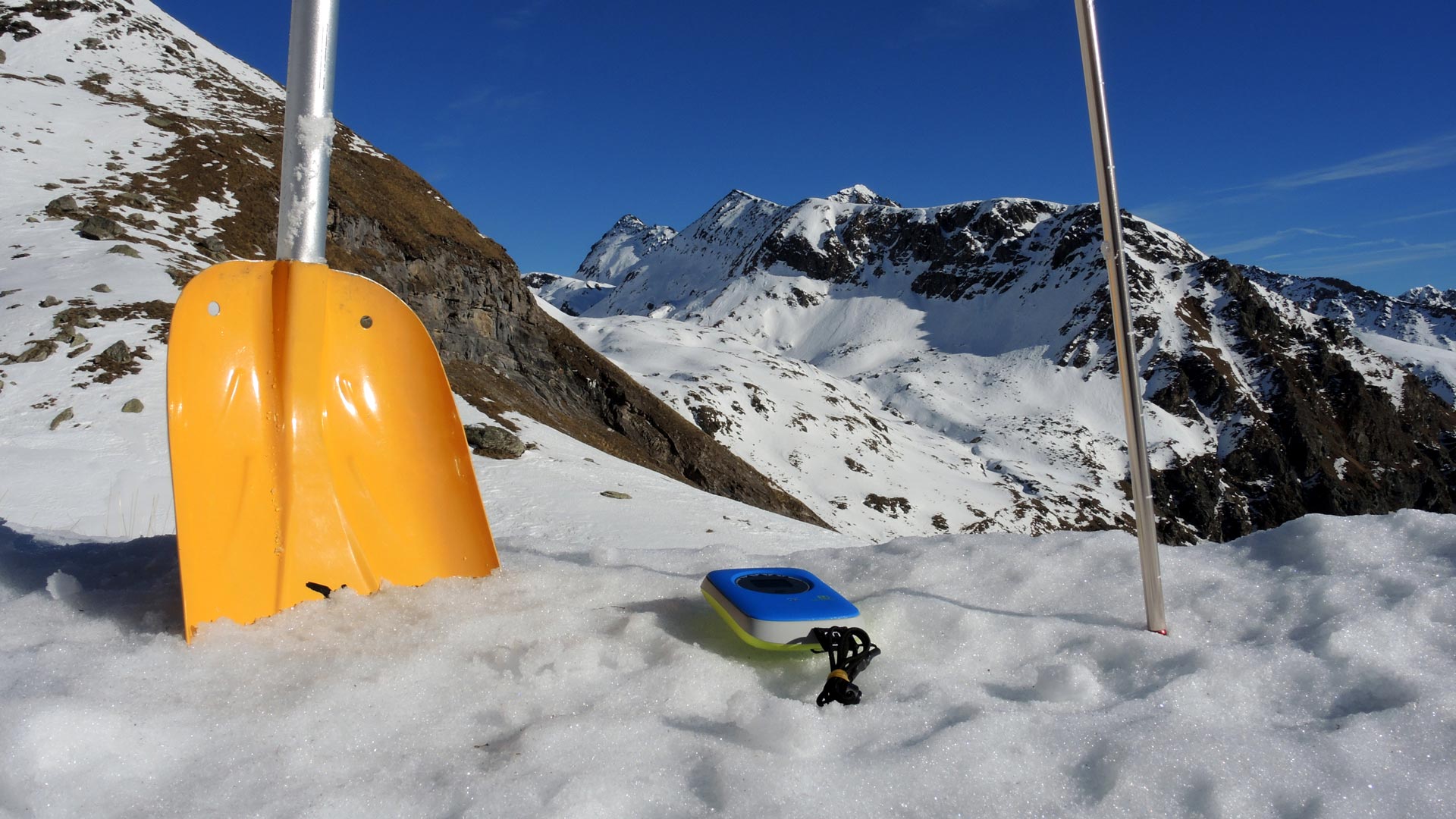
In addition to snowshoes, you’ll also need proper warm clothing, a pair of snow poles (which can also be rented), and especially avalanche safety equipment (such as avalanche transceivers, shovels, and probes). Of course, it’s not enough to just bring these items with you; you should also know how to use them. For this reason, we recommend taking a specialized course to practice.
For a complete list of recommended clothing and gear for a snowshoeing excursion, check out this article.
Buying Tips
Below are some ideal options for beginners who want to do simple trekking:
-
Pinter Special Snowshoes by Ferrino: a manageable model that guarantees good comfort while walking and floating on all types of snow. Suitable for foot sizes 34 to 48 and a weight of up to 90 kg.
[Technical Sheet ⟶] -
Elevation Composite Snowshoes by TSL: rigid snowshoes with very simple adjustments. They have an hourglass shape that makes walking easier. Suitable for all types of boots, ensuring excellent foot comfort. They come with heel lifts and a locking device (only for transport and storage). Available in two sizes:
- 305: for sizes 35 to 43, up to 80 kg.
- 325: for sizes 39 to 47, up to 120 kg.
[Technical Sheet ⟶]
For those looking for a more advanced, high-performance model, we recommend:
- Highlander Snowshoes by TSL: technical and durable snowshoes offering effective traction and high performance on all types of snow. Various versions are available to meet different needs. Perfect for exploring steeper and more demanding terrains.
[Technical Sheet ⟶]
Now that you know all the secrets, all that’s left is to head out into the snow with your new snowshoes. Reaching otherwise inaccessible places, surrounded by pristine landscapes, will truly take your breath away!
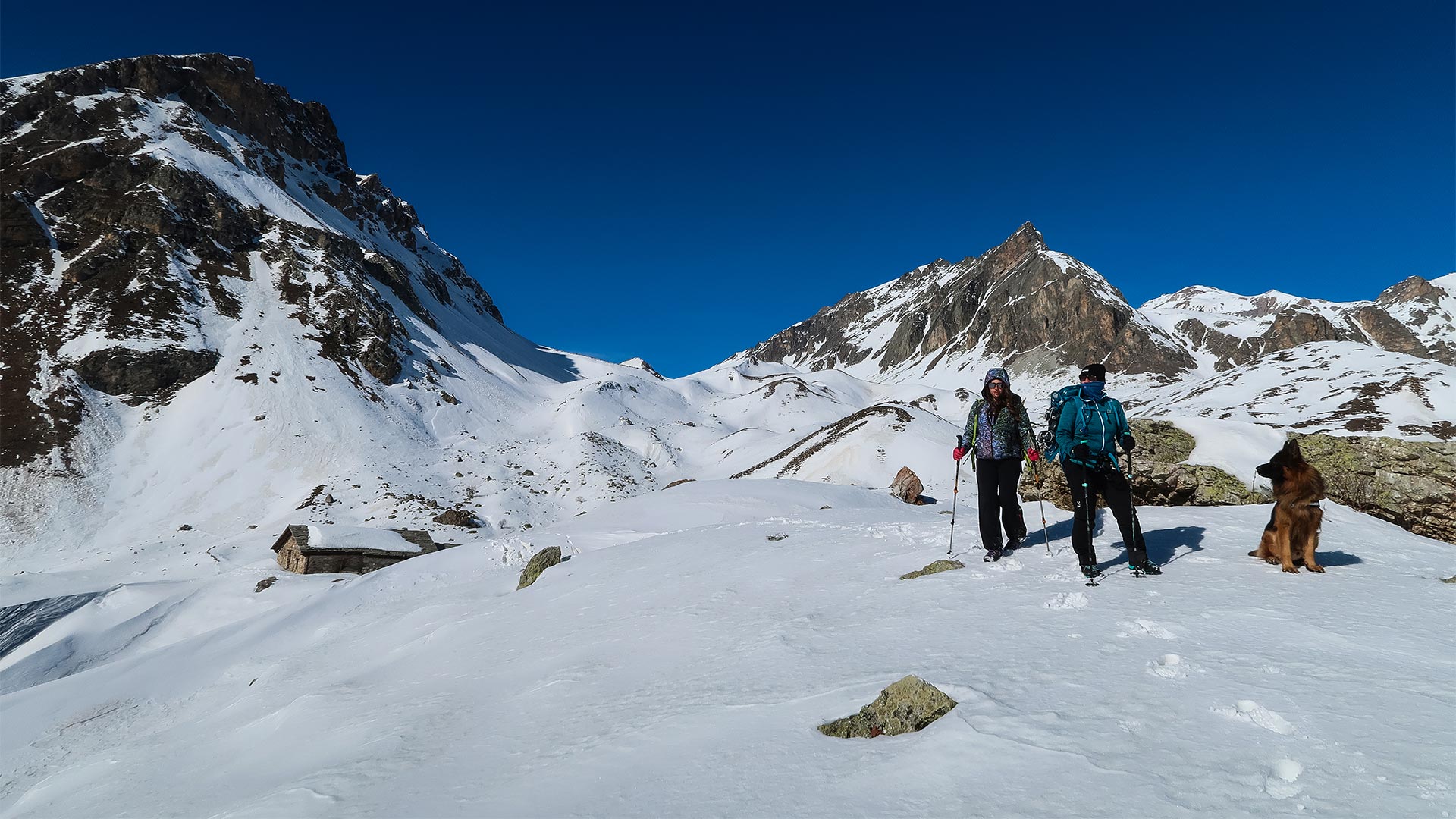
There are countless places to enjoy snowshoeing: crystallized woods, snowy plateaus, or even mountain huts. You can explore the mountain in complete solitude and peace, breathing in the purest nature, or involve your friends and family in a fun and different excursion, perfect even for kids. For an alternative outing, why not organize a nighttime snowshoeing trip?
The possibilities are endless, but we always recommend being cautious when venturing out into the mountains. Especially for beginners, we advise relying on experienced guides to enjoy a safe and peaceful trip.


Travel, excursions, activities, and outdoor experiences in italy and around the world
Via Argentero 6, 10126 Turin
+39 011 089 1022
info@verticalife.it
