

Everything you need to know to take your first steps in ski mountaineering: from technical basics to gear essentials, ensuring your initial outings are both safe and rewarding.
"My skis are not meant to follow beaten paths."
This famous quote by Marcel Kurz, a pioneer of early 20th-century ski mountaineering, captures the essence of this free and raw style of skiing—what we now call ski mountaineering.
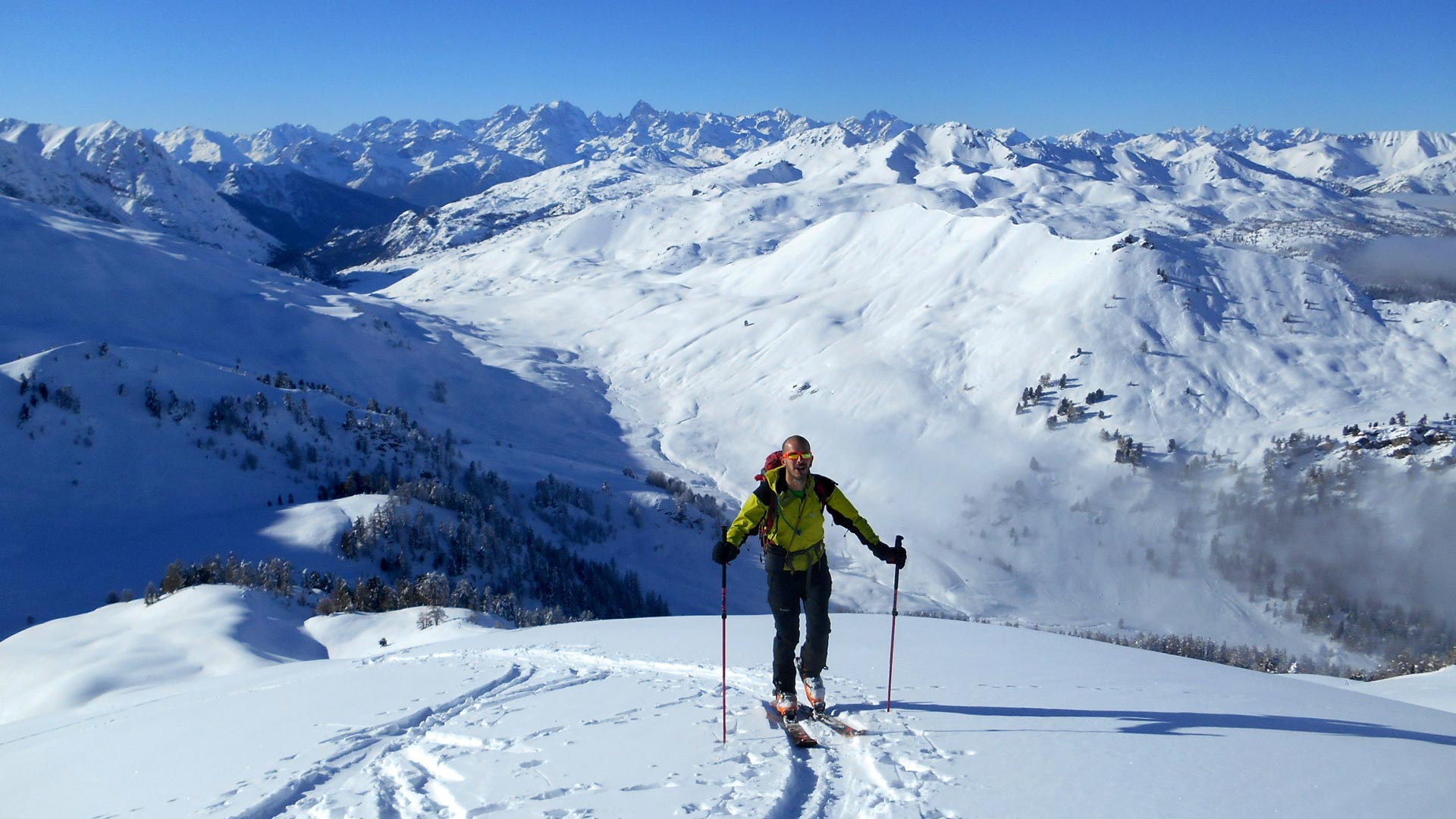
While in the 1990s only a few enthusiasts ventured into the mountains with climbing skins, this has changed dramatically in recent decades. Ski mountaineering experienced a boom in the early 2000s, and many realized that skiing can be just as enjoyable far from groomed slopes.
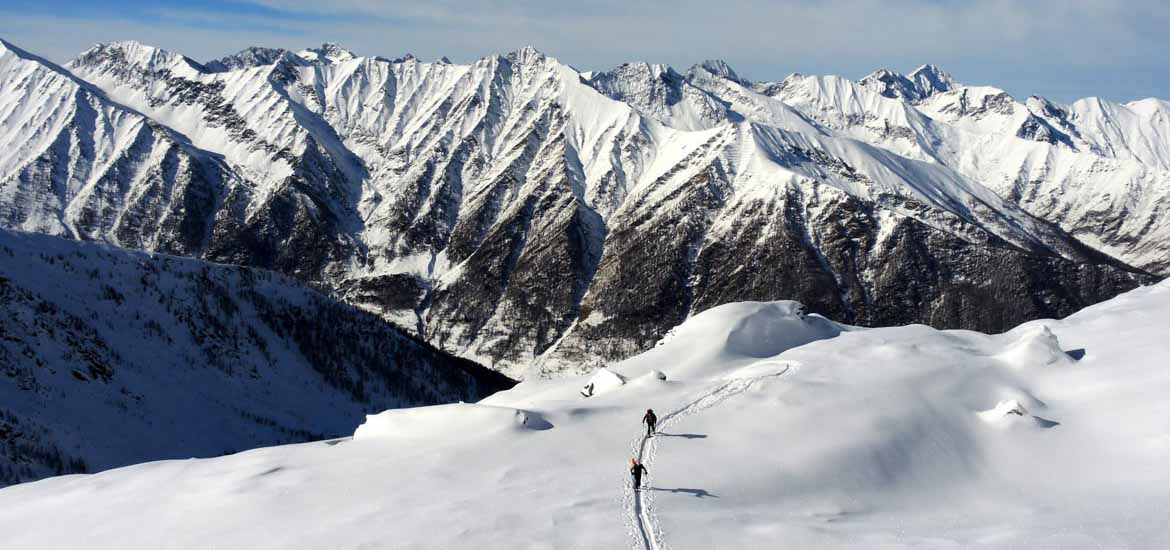
The Basics
Making your own tracks in fresh snow is exhilarating but requires thorough preparation to manage the risks of winter mountains, especially avalanche hazards.
Based on nearly 20 years of experience in this sport, I’ve put together a brief guide highlighting the key points for approaching ski mountaineering responsibly.
Starting off on the right foot is crucial, as becoming a ski mountaineer isn’t something you improvise overnight! For beginners, here’s what to consider:
- Solid skiing skills: At least a decent level of downhill skiing technique is essential. Ski mountaineering is not the place to learn to ski! The better your technique, the safer and more enjoyable your experience will be.
- Fitness level: Your first outings can be physically demanding, especially if your skills aren’t fully developed. Being in good physical shape is crucial, as fatigue and reduced alertness increase the risk of accidents.
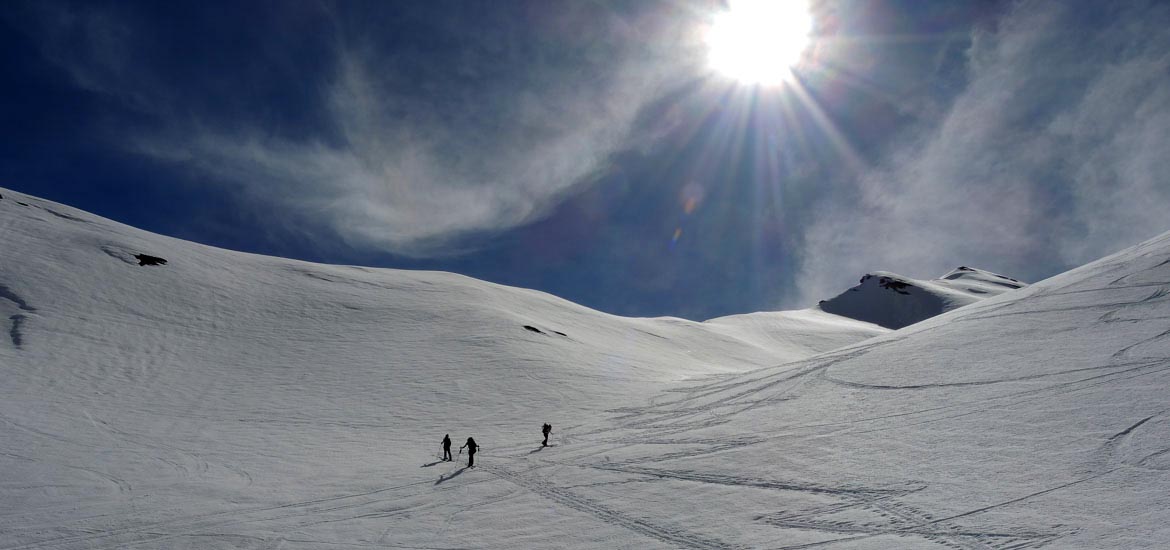
Learn From Experts
To gain experience and minimize risks, seek guidance from qualified professionals. If you’re unsure about the expertise of a friend or local club instructor, consider taking a basic ski mountaineering course led by a certified mountain guide.
A course is undoubtedly the best way to quickly and effectively learn the foundational knowledge required to eventually practice this sport independently. You’ll gain experience in planning and conducting classic ski mountaineering trips safely, considering snow and weather conditions. Additionally, you’ll develop the ability to identify the safest routes for both ascent and descent.
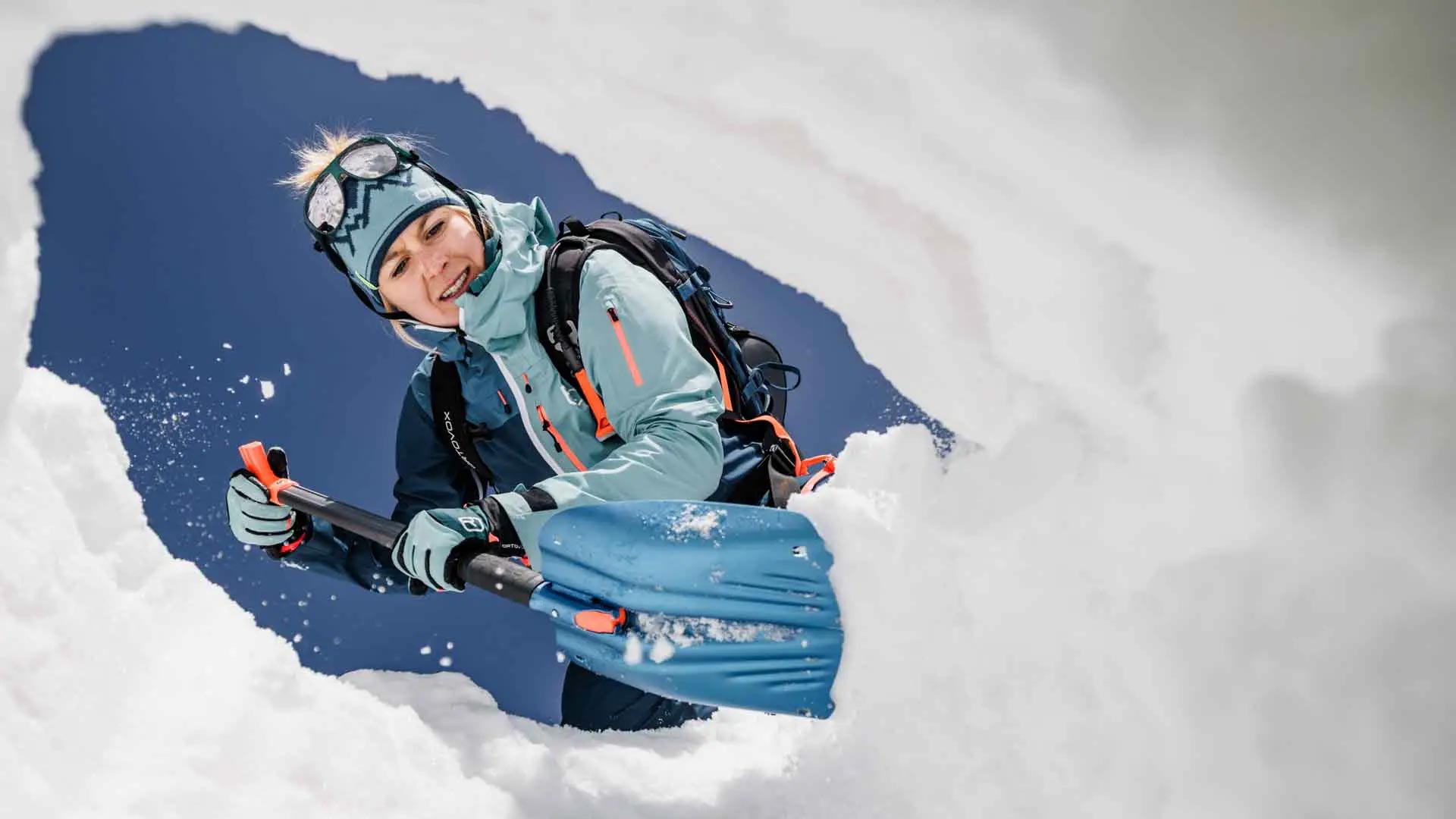
Investing in the right gear is essential, including skis, boots, bindings, climbing skins, crampons, poles, and a backpack with ski carry options. Just as importantly, equip yourself with safety tools (beacon, shovel, and probe) and learn how to use them properly—immediately.
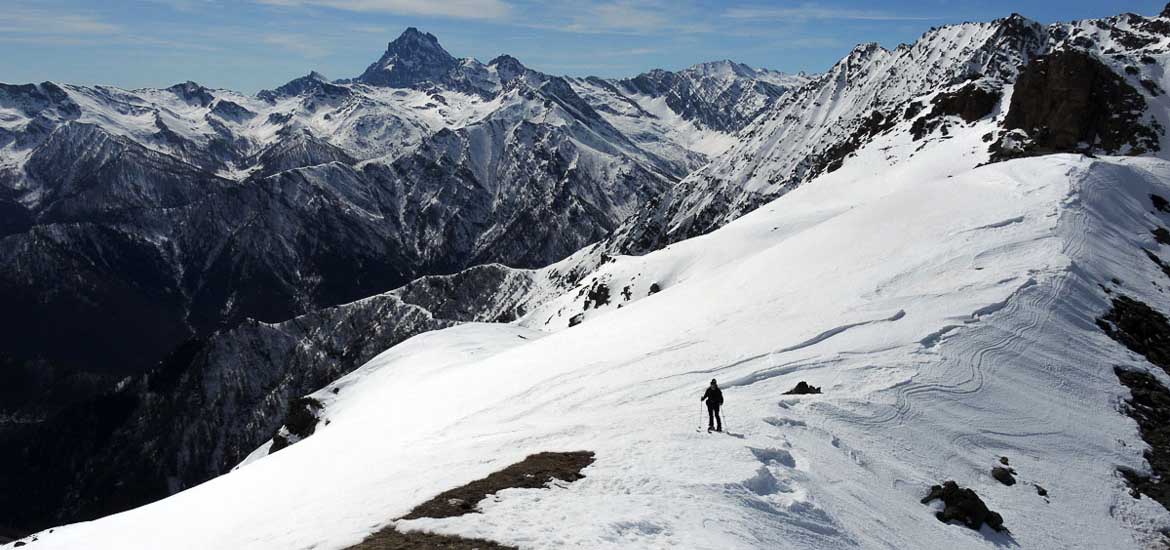
Equipment and Preparation
Pay close attention to clothing and equipment, maintaining them over time. Even minor issues, like climbing skins that won’t stick to your skis, can turn a simple climb into a nightmare. Similarly, something as trivial as a torn glove can become a serious problem in extreme cold.
To avoid surprises, always prepare your gear the day before a trip. Starting your outing fully prepared greatly increases the chances of a successful and enjoyable experience.
Evolving Your Skills
Recent years have seen the rise of specialized ski mountaineering activities, such as competitive racing and nighttime ski mountaineering, alongside the development of increasingly lightweight and specific equipment.
For beginners, however, it’s best to focus on building a solid foundation in classic ski mountaineering, which takes place in uncontrolled environments and in harmony with nature. Later, depending on your preferences and goals, you can explore other specializations:
- Freeride: Heavier gear prioritizing downhill performance.
- SkiAlp racing: Lightweight equipment and steep ascents.
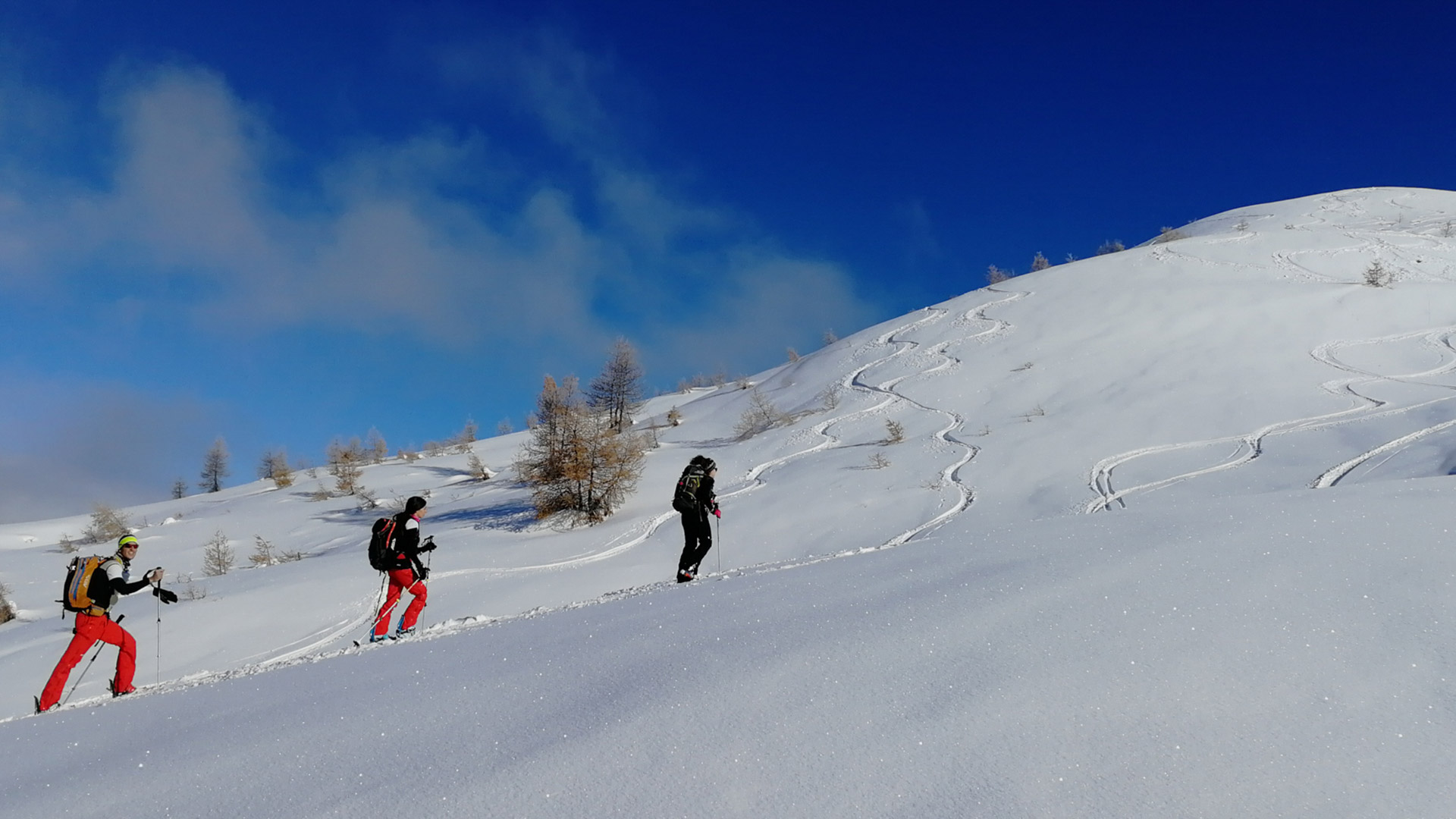
- Classic ski mountaineering: A balanced mix of ascents and descents in natural settings.
Personally, I’ve chosen a mix of classic and freeride styles, but it ultimately comes down to personal preference. The choice is yours!



Travel, excursions, activities, and outdoor experiences in italy and around the world
Via Argentero 6, 10126 Turin
+39 011 089 1022
info@verticalife.it
