

The outdoor professional does not exist to spare hikers the logistics of planning a trip, but to meet a much deeper need: a safe and mindful encounter with a natural environment that is constantly changing. Every activity in nature means placing your trust in a guide, a professional able to lead the group safely through complex and potentially harsh places. The real value of this figure does not lie in having a set itinerary, but in the fundamental ability to act as an interpreter between the land and the people, reading signs that escape the less trained eye.
The weight of decisions at critical moments
At altitude or on valley-floor trails, environmental variables are beyond our control. A sudden drop in energy, an unexpected weather front or a rapid change in ground conditions all call for careful analysis. It is in these moments that the essence of the profession comes through: the wise one is the person who leads the way, knows what to do and instils confidence when things get tough. While independent hikers often risk pushing on towards the goal out of sheer stubbornness, putting themselves in potential danger, a guide has the experience to make objective decisions. A guide can judge clearly when it is time to keep going and when it is necessary to rethink the objective or turn back, always putting people's safety first.
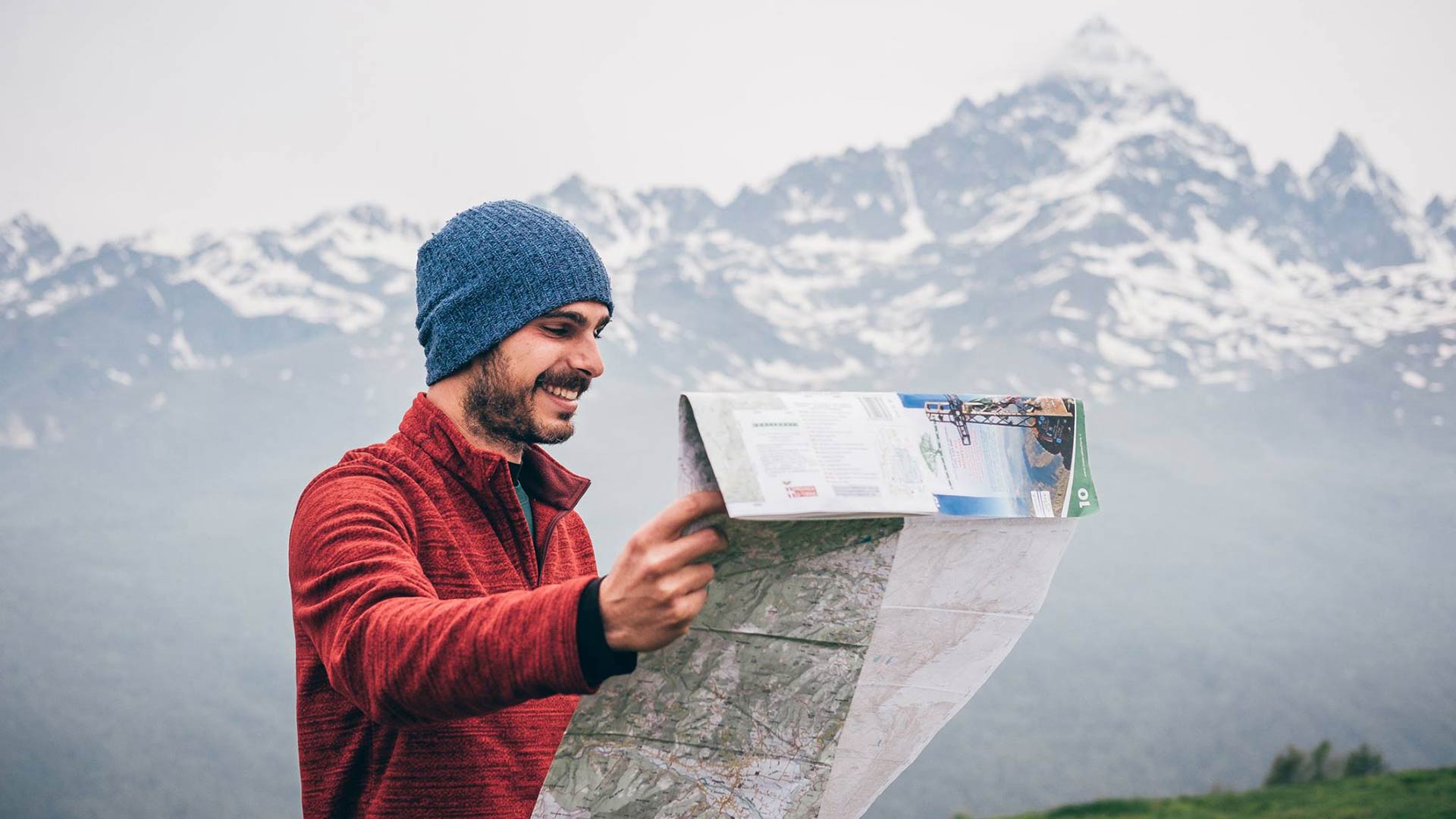
The mental map and adapting in nature
Modern technology has taught us to follow precise lines on a screen. Yet a GPS track is a static tool that cannot tell you how the landscape keeps changing. If a trail has collapsed or walking times stretch beyond plan, those who rely solely on electronic devices often find themselves stuck, with no alternatives. The great advantage of walking with a guide is their three-dimensional mental map of the area. A professional knows the escape routes and the safe passages that are not marked on maps, and can adapt the itinerary in real time. This deep knowledge turns an obstacle into a natural detour, offering a flexibility that is impossible to replicate on your own.
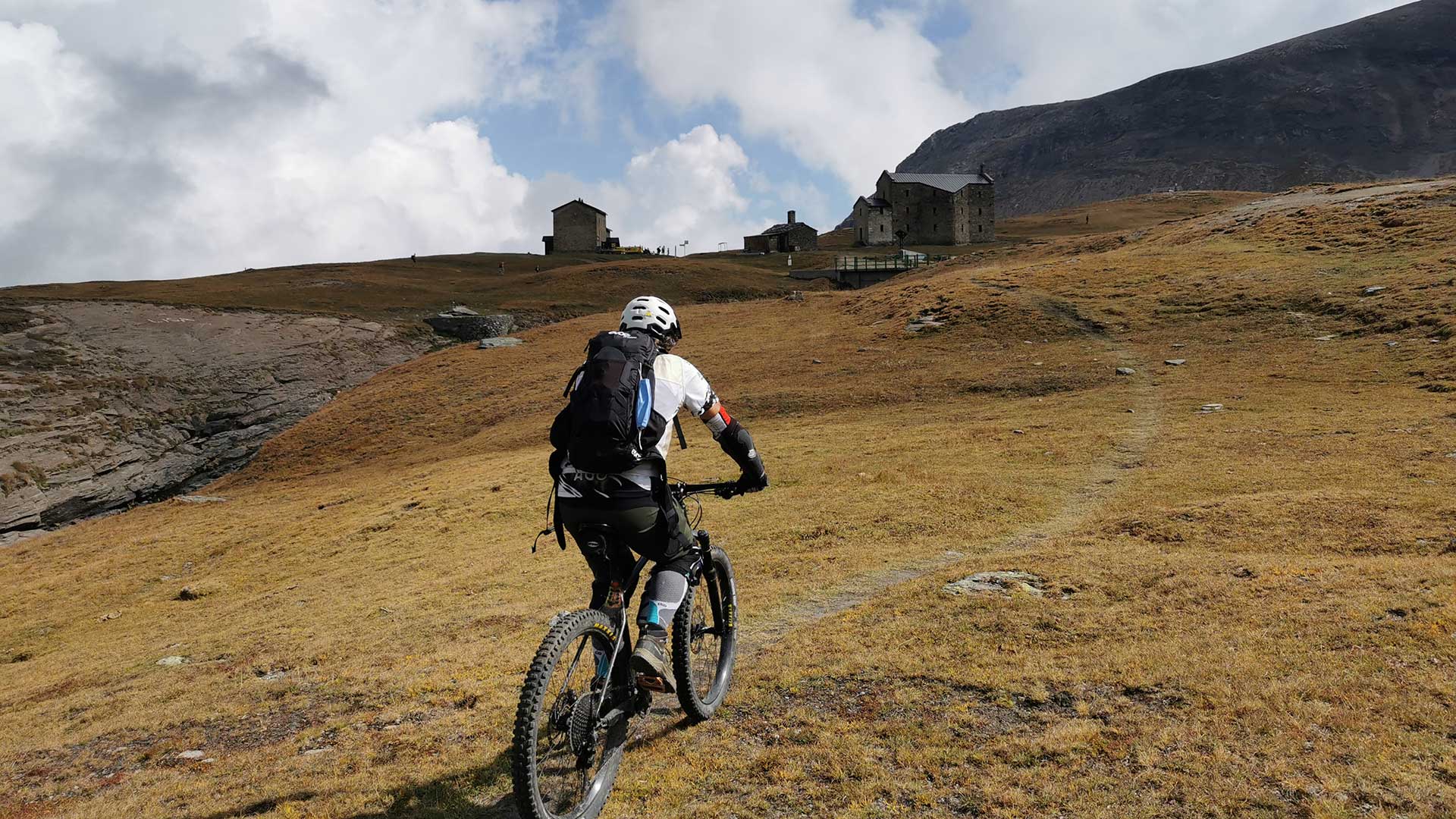
Mountain bike trips and professional guides
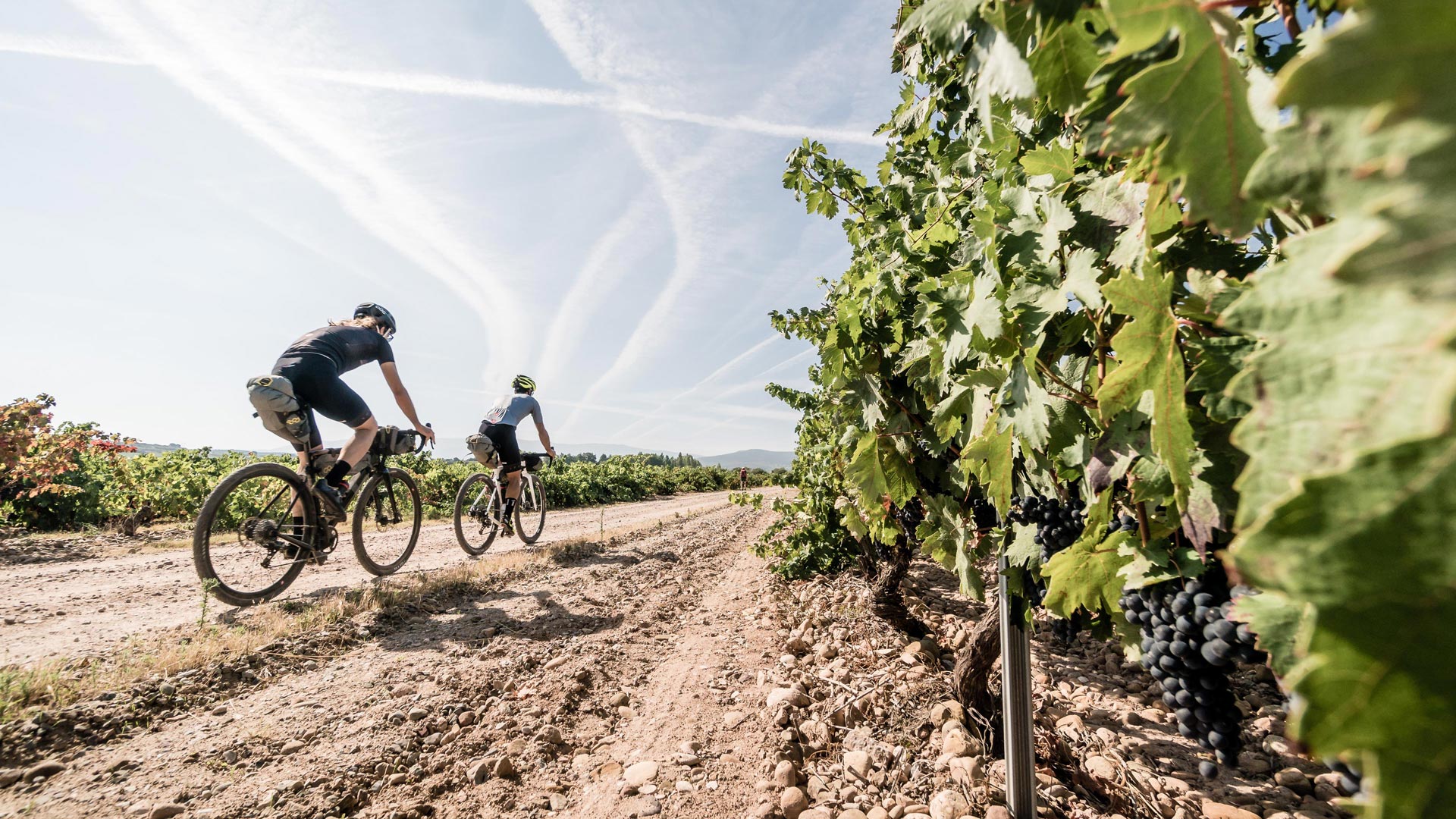
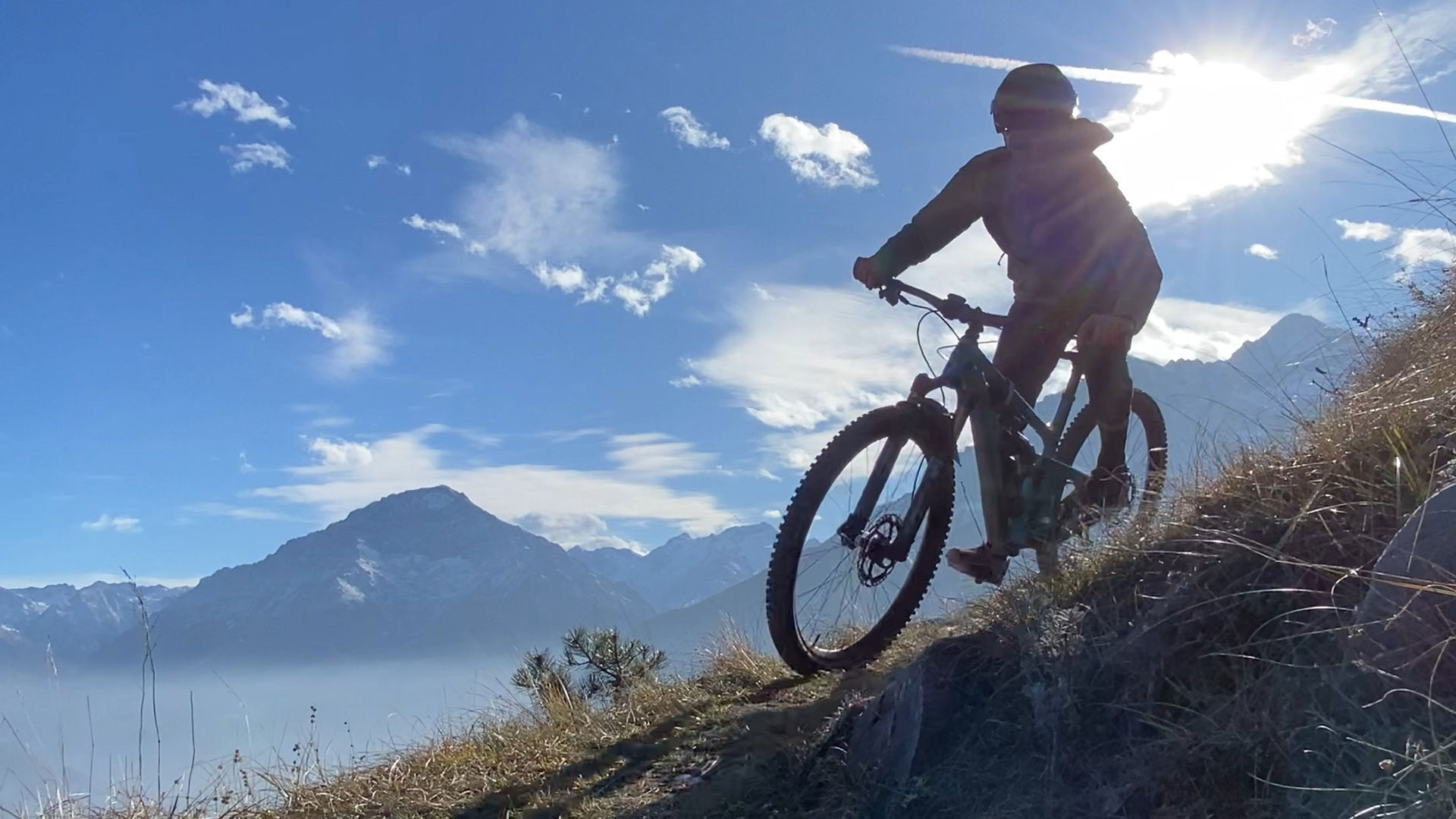
The gap between the precision of the map and the reality of the terrain becomes even more obvious on two wheels. Anyone who rides knows that following a digital track found online is often a leap in the dark. A loop that looks like a perfect bike route on paper can turn out to be an exhausting hike-a-bike: trails gouged by rain, vegetation blocking the way or gradients that force you to push your mountain bike for hours. Navigation apps do not show the maintenance condition of the trails. Living in those places, a professional knows exactly which lines work best at any given time. This lets you pace your effort and enjoy both the climb and the descent with satisfaction and peace of mind, without wasting precious energy on impassable routes.
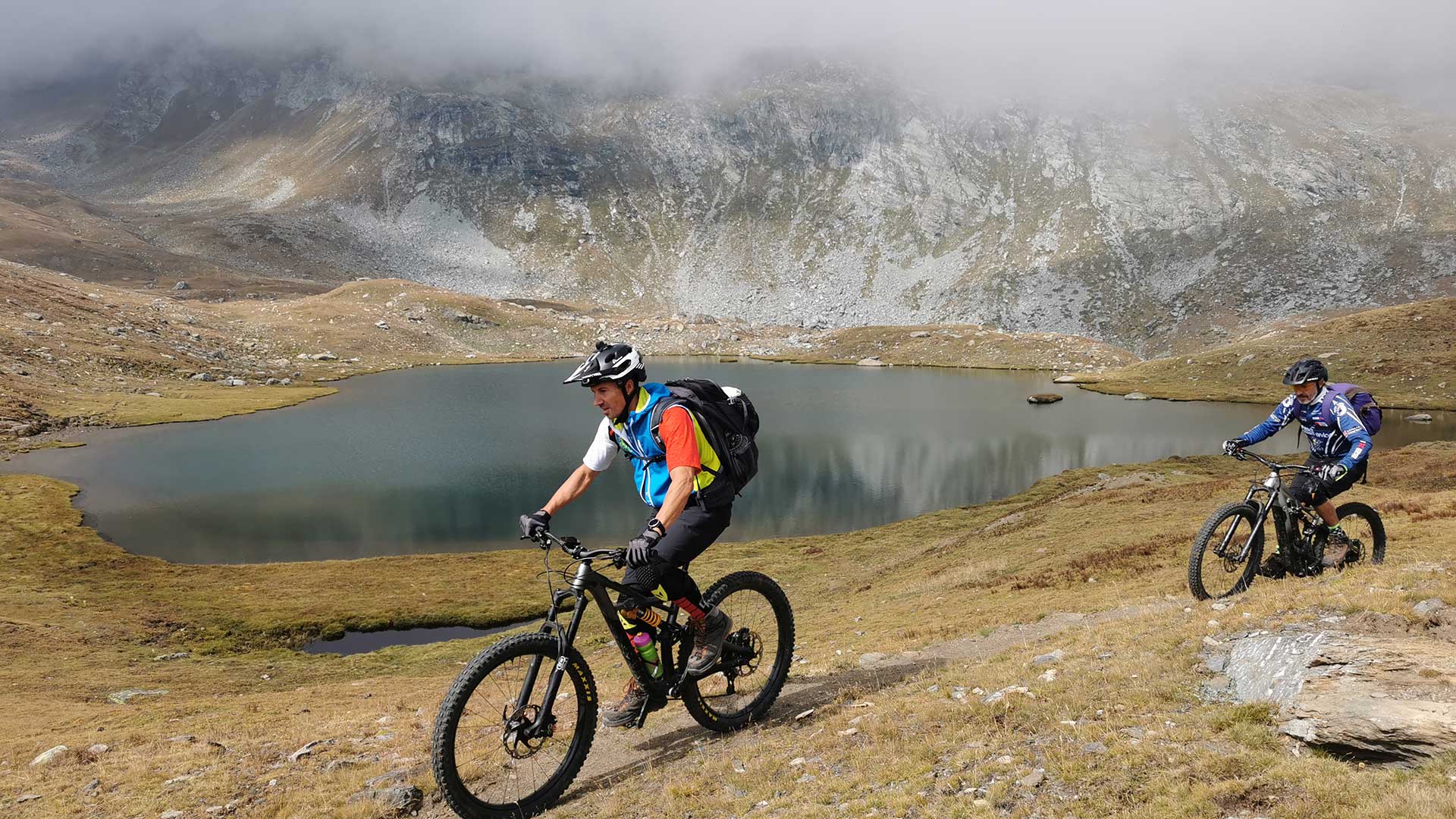
The true value of knowledge
Understanding the role of the guide means recognising that the mountains and the natural environment speak complex languages. Sharing the adventure with a local professional is neither an organisational shortcut nor an optional extra, but the best way to make the most of the experience through someone who knows the area far better. It means trusting someone who can prevent risks, make the right decisions at the right time and help you experience the land with an awareness that enriches the journey at every single step.




Travel, excursions, activities, and outdoor experiences in italy and around the world
Via Argentero 6, 10126 Turin
+39 011 089 1022
info@verticalife.it
